Perfect Venison Backstrap — Pan-Sear, Oven-Finish & Grill Options for Hunters & Chefs

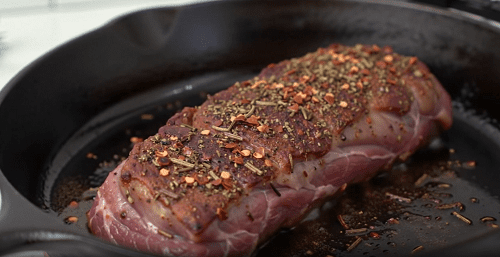
Why Venison Backstrap Is a Game-Changer for Wild-Game Cooking
- The backstrap (also called the loin) runs along the spine of deer, elk, or moose — you only get two cuts per animal, making it a prized and limited cut.
- It’s extremely tender and lean, comparable to high-end beef cuts, yet carries the distinct flavor and nutritional profile of game meat.
- Because of its leanness, it cooks much faster than beef, and — when handled right — yields a melt-in-your-mouth texture.
- That said, overcooking is a common pitfall. To get the best results you need precise prep, attention to temperature, and respect for resting time.
This makes backstrap the crowning jewel of any wild-game harvest — and deserving of a “cook once, make it count” approach.
Getting Started: Proper Prep for Deer Backstrap
Thawing & Bringing to Room Temperature
- If frozen, thaw the backstrap slowly in the fridge. Avoid microwave or quick-thaw methods — they risk uneven cooking and texture damage.
- Once thawed, let it sit at room temperature for 30–60 minutes — this ensures even cooking from edge to center.
Trimming & Removing Silver Skin
- Trim off any excess fat and silver skin/connective tissue. Leftover silverskin can contract and twist during cooking, causing an uneven cook.
- Pat the meat thoroughly dry with paper towels. Moisture on the surface inhibits the sear and crust formation.
Seasoning — Keep It Simple, Let the Meat Shine
- For classic, clean flavor: salt, cracked black pepper, garlic, and fresh herbs (thyme, sage, rosemary) — lightly rubbed. Many chefs and hunters prefer a “wet rub” using high-heat oil (e.g. avocado, grapeseed) to help the seasoning adhere and to aid the sear.
- Pro marinating tip: if you want deeper flavor (and softer texture), consider a buttermilk or light acidic marinade — but no heavy sauces that mask the delicate game taste.
Pro tip: Avoid over-the-top seasoning. Let the wild flavor of the venison shine — especially with high-quality backstrap.
The Cooking Methods: Pan-Seared, Oven-Finished — And Beyond
Here are the main ways to cook venison backstrap, depending on your tools, mood, and desired flavor profile.
Cast-Iron Skillet → Sear + Oven Finish (Classic “Steakhouse” Backstrap)
Why it works: Cast-iron retains and distributes heat exceptionally well, giving a perfect sear and even cooking. Great crust + juicy interior = perfect balance.
Recommended method:
| Step | Action |
|---|---|
| Preheat | Oven ↴ 375 °F (190 °C). Skillet over medium-high heat. |
| Sear | Add high-heat oil (or butter + oil mix); sear 2–3 minutes per side until a deep brown crust forms. |
| Transfer to Oven | After sear, slide skillet into the preheated oven for about 5 minutes (for 1–1.5″ thick loin), depending on thickness. |
| Rest | Remove from oven, tent with foil for 3 minutes, then transfer to a cutting board and rest 5–10 minutes before slicing. |
Target Internal Temps:
- Rare: ~ 120–125 °F (49–52 °C) at pull — will rise to ~130–135 °F while resting.
- Medium-rare: ~ 130–135 °F (54–57 °C)
- Medium: up to ~ 140–145 °F (60–63 °C) — beyond that, you risk drying out.
Why this method excels: fast, controlled, preserves juices, gives the “steakhouse” crust while keeping venison’s natural flavor intact.
High-Heat Grill / Open-Fire — Wild-Game Traditional
For hunters and outdoor cooks, grilling over wood or charcoal can add smokiness that pairs beautifully with venison’s deep, earthy flavor.
Tips for grilling:
- Preheat grill to high heat — wait until coals are white-hot or gas grill is very hot.
- Sear the backstrap directly over heat 2–3 min per side. For thicker cuts, after sear you can move to indirect heat for a couple more minutes — but usually backstrap cooks quickly.
- Use a meat thermometer for accuracy. Pull when 5 °F below target temp, then rest before slicing.
- If you like, add a handful of smoking wood chips (oak, hickory, apple) for added flavor.
Grilled backstrap will often have a more rustic, smoky character that many hunters prefer — especially after a successful harvest.
Fast Sear + Sous-vide / Oven Low-and-Slow (Less Common — but Valid)
Because venison backstrap is so lean and delicate, some chefs opt for a sous-vide or low-and-slow oven finish, then quick sear at the end. This ensures even cooking edge-to-edge while still producing a crusty exterior.
- Sous-vide at ~ 125–130 °F for 1–2 hours (for 1–1.5″ thick), then sear 30–60 sec per side in a hot skillet.
- For oven method: preheat oven to ~ 275–300 °F; cook backstrap (after sear) until 5 °F below target, then rest and sear.
This method gives more control, especially when cooking for a crowd or timing dinner — but many hunters feel it robs backstrap of its “wild-game soul.” Use only when necessary.
Avoid These Common Mistakes (And Why Backstrap Is So Easy to Ruin)
| Mistake | What Goes Wrong |
|---|---|
| Overcooking (to medium-well or well) | Because venison is lean, overcooking dries out the meat — it becomes tough, chewy, and loses flavor. Backstrap shines at rare-to-medium-rare. |
| Skipping rest time | Juices continue to redistribute after cooking — slicing immediately causes most to leak out, leaving a dry result. |
| Not drying or trimming properly | |
| Heavy seasoning or heavy sauce explosion | Over-seasoning (or overpowering sauces) can mask venison’s subtle, wild flavor. Treat the meat with respect. |
| Skillet too cool or not properly preheated | Without a hot surface, you won’t get a crust — and the meat may cook too slowly, drying out before sear develops. |
Flavor & Serving — Make It a Dinner Worth Remembering
Venison backstrap is subtle, noble, and deserves sides and accompaniments that highlight its flavor — not overshadow it.
Suggested accompaniments:
- Herb butter or garlic-butter drizzle — adds richness without masking flavor.
- Sautéed wild mushrooms (chanterelle, cremini, oyster) — complements the earthy venison taste.
- Root-vegetable mash (potatoes, parsnips, rutabaga) — hearty, rustic side that pairs well with game meat.
- Simple pan sauce: deglaze the skillet with a splash of red wine or game stock, reduce, swirl in butter and drizzle over sliced backstrap.
- Light green salad or seasonal veg (asparagus, Brussels sprouts, roasted carrots) — balances richness and brings freshness to the plate.
Serving style: Slice into ½–¾ inch medallions, against the grain, and serve slightly pink (rare to medium-rare). This gives the ideal texture and moisture.
Hunter-Chef Pro Tips (What I’ve Learned from Field to Plate)
- Always label and date backstrap in your freezer — one deer yields limited backstrap, and you don’t want it to get lost or freezer-burned.
- If first rinse or not confident in “wild flavor,” a brief buttermilk soak (2–4 h) can help remove excess gamey taste while tenderizing — but skip strong marinades if you want true venison character.
- Use a digital meat thermometer — venison doesn’t give visual cues like beef. Temperature is king.
- Let the meat rest fully — at least 5–10 minutes after cooking. Many home cooks skip this and then complain about dryness.
- When hunting with family or guests — make the backstrap the “show-piece meal.” Few cuts deliver as much flavor, texture, and “I-harvested-this” pride as backstrap.
Frequently Asked Questions (FAQ)
Q: Can I grill backstrap directly over fire / charcoal?
A: Absolutely. High-heat grill gives a wonderful smoky flavor and works great — just watch cooking time, use a thermometer, and aim for rare to medium-rare.
Q: Should I marinate venison backstrap?
A: Light marinades or brief buttermilk soaks can help if the meat is very “wild,” but heavy sauces (teriyaki, heavy BBQ) tend to mask the natural venison flavor. Keep it light.
Q: What’s the best doneness for backstrap?
A: Rare (120–125 °F pull) to medium-rare (130–135 °F final) gives the best texture — tender, juicy, and slightly gamey in a good way. Going beyond ~140 °F risks dryness.
Q: Why is my backstrap tough or chewy?
A: Usually because it was overcooked, not rested properly, or seared at too low heat. Also possible if silverskin wasn’t removed or meat wasn’t dried before searing.
Respect the Cut, Enjoy the Reward
The backstrap is the crown jewel of wild-game venison — and deserves a cooking method that honours its tenderness, flavor, and provenance. Whether you choose the classic cast-iron skillet + oven finish, a smoky grill over an open fire, or a controlled sous-vide-plus-sear approach, the keys are the same: proper prep, right temperature, precise timing, and generous resting.
Do it right, and you’ll turn that precious loin into a dish worthy of the hunt, the land, and the table. Serve it with sides that complement, not compete — and you’ll have a wild-game dinner that could impress even the staunchest steak lovers.
Hunters and chefs know: this isn’t just cooking — it’s craftsmanship.
- 98
- 2675