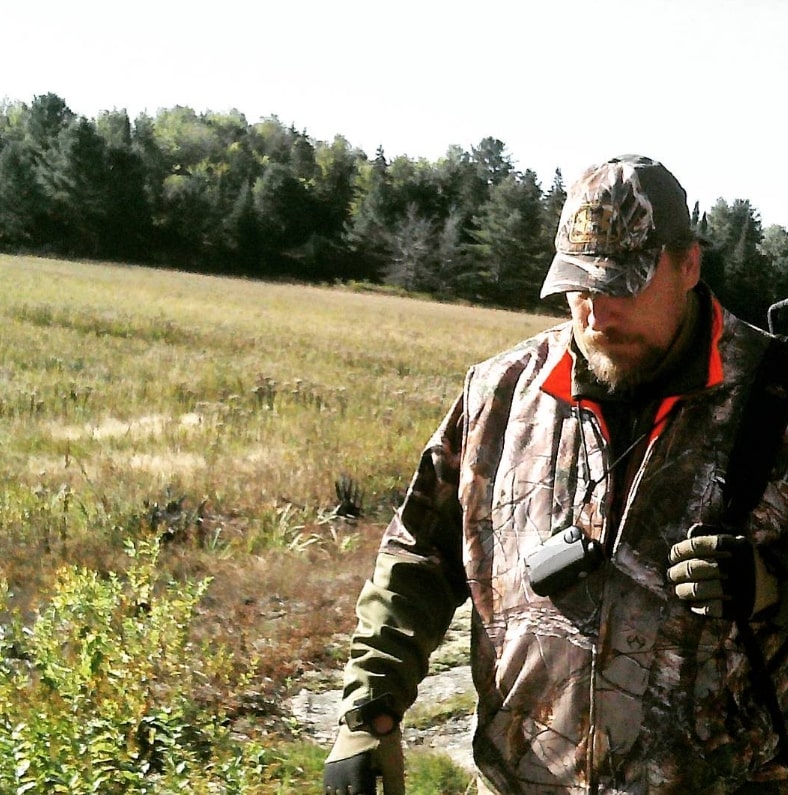
Venison Stew: From Wild Harvest to Fall-Apart Tender Bowl

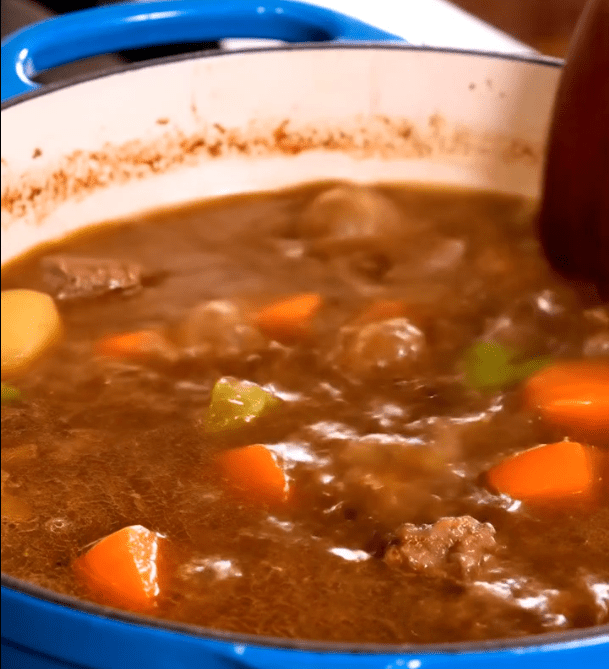
Many “easy” venison-stew recipes focus just on throwing meat and veggies into a pot and simmering. While simple, that approach often misses out on important game-meat considerations — sourcing, meat prep, temperature control, flavor balancing, texture science, storage, and variations.
This guide draws on decades of hunting, field-dressing, butchering, and outdoor cooking experience — plus culinary principles — to give you a truly reliable, deeply flavorful venison stew that’s tender, balanced, and consistently excellent.
From Field to Table: Choosing & Prepping Your Venison
To make a stew that’s more than just edible — one that’s deeply flavorful and tender — the process begins long before you light the stove.
Choosing the Right Cuts
- Older-age leg roasts, shoulder, or chuck-style cuts are often economical but tougher; perfect for long braises.
- Backstrap / tenderloin can work, but they often are better suited to quicker cooking (grilling, searing) because their leanness can dry out over long stews.
Aging & Butchering It Right
- If you harvest your own deer, age the meat (if local regulations allow) — 5–10 days chilled helps develop deeper flavor and tenderness.
- Remove silvery sinew/connective tissue thoroughly. Silvery connective tissue — if left in — contracts as it cooks and gives chewy, rubbery bites. This is a major reason some venison stews become tough. (The same principle is emphasized in many stew guides.)
Handling & Storage Before Cooking
- Keep meat cold (but not frozen) until just before cooking.
- Let large chunks rest ~20–30 minutes at just-below-room-temperature before cutting — that helps with more even browning.
- Dry the meat well on paper towels or cloth before searing — moisture inhibits proper browning.
Key Culinary Principles for Perfect Venison Stew
Here are the core cooking science and flavor-building principles that elevate a venison stew from “good” to “exceptional.”
| Principle | Why It Matters for Venison |
|---|---|
| Sear first, braise later | Searing caramelizes surface proteins (Maillard reaction), adding deep, savory flavor. Braising then tenderizes lean game meat slowly without drying it out. |
| Low & slow simmer | Because venison is lean, long slow cooking breaks down connective tissue gradually — giving “fork-tender” texture without toughening the meat. |
| Layered flavor base (aromatics + acid + broth + herbs) | Onions, garlic, carrots, celery — plus tomato or wine/acidity — help balance the earthy/gamey venison flavor and build complexity. Traditional stew recipes do this for a reason. |
| Proper seasoning & salt control | Since wild game can vary in flavor intensity, salt and spices must be balanced. Under-seasoning can lead to bland stew; over-seasoning can accentuate “gamey” notes. |
| Vegetable timing & texture management | Overcooking veggies can leave them mushy; adding root vegetables in stages or cutting size right helps preserve texture through long simmers. Some users of classic recipes note adjusting when potatoes go in to avoid them becoming mushy. |
Master Recipe — Slow-Braised Venison Stew (Dutch Oven or Stove-Top)
Below is a versatile, fully detailed recipe tailored for optimal flavor and texture. Serves 6–8 depending on portion size.
Ingredients
- 2–2.5 lb venison (leg, shoulder, or roast) — cut into ~1.5″–2″ chunks, sinew removed
- Salt & black pepper
- 2–3 tbsp neutral oil (vegetable, canola, or olive oil) for searing
- 4 tbsp butter or oil (optional; see notes)
- 1 large onion, diced
- 3–4 garlic cloves, minced
- 2–3 carrots, cut into 1″ pieces
- 2–3 celery stalks, sliced
- 1.5–2 lb potatoes (russet or Yukon Gold), cut into 1.5″ chunks — you can also substitute or mix with turnips, parsnips, or celeriac
- 8 oz mushrooms (optional) — adds umami depth
- 2 tbsp tomato paste (for base), or 1 (14–15 oz) can diced tomatoes — or a mix depending on desired broth body
- 1 cup dry red wine (optional but highly recommended — adds acidity, depth, richness)
- 4–6 cups beef broth (or venison broth / game stock if available)
- 1–2 bay leaves, 1 tsp thyme, 1 tsp oregano (or herbs de Provence + a pinch of rosemary or marjoram)
- 1 tbsp Worcestershire sauce (or more to taste) — adds savory complexity
- Salt & pepper — to taste
- Optional: 1 tbsp cornstarch + 1½ tbsp water for thickening at end (if desired)
Equipment
- Heavy-bottomed Dutch oven or large cast-iron pot (minimum ~5–6 quart)
- Sharp knife, cutting board, wooden spoon or spatula
- Ladle, measuring cups/spoons, heat-resistant tongs
Instructions
- Prepare the meat
- Pat the venison chunks dry; season lightly with salt and black pepper.
- Heat oil (and butter if using) in the Dutch oven over medium-high heat. Once shimmering — but not smoking — add venison in batches (avoid overcrowding).
- Sear until a deep brown crust forms (about 3–5 min per side); remove and set aside.
- Sauté the aromatics & vegetables (base layer)
- Reduce heat to medium. Add onion, garlic, carrots, celery (and mushrooms if using). Sauté until softened and starting to color (about 6–8 minutes).
- Stir in the tomato paste; cook 1–2 minutes to deepen flavor.
- Deglaze & build the broth
- Pour in the red wine (if using), scraping the browned bits from the bottom of the pot — those bits add huge flavor.
- Once wine reduces a bit (2–3 min), add broth (or stock), Worcestershire sauce, herbs, bay leaves, and salt/pepper to taste.
- Return meat and simmer
- Add the seared venison back to the pot, along with potatoes (and other root vegetables if using). Bring stew to a gentle boil.
- Lower heat to a very gentle simmer. Cover. Simmer 2–3 hours — check at 1.5 hr: meat should begin to fall-apart tender, vegetables softened but intact.
- Finishing touches
- Taste and adjust seasoning (salt, pepper, Worcestershire). Remove bay leaves.
- If you want a thicker stew, mix the cornstarch slurry and stir in, simmering 5 more minutes until broth thickens.
- Optional: stir in a knob of butter for richness or a splash of cream if desired (though traditional game stew benefits from clean flavors).
- Serve hot — with crusty bread, mashed potatoes, egg noodles, or a simple green salad.
Variations & Enhancements
Depending on what you have on hand or the flavor profile you want, here are great variations:
- Bacon or smoked pork lardons: Start by rendering bacon, remove and sear the venison in the smoky fat for extra depth — similar to how some classic stews add smoky richness.
- Mushrooms + red wine + herbs: Adds umami, depth, and balances possible “gamey” overtones. Common in many hearty venison stew recipes.
- Root-vegetable medley: Use turnips, parsnips, celeriac, or rutabaga along with potatoes for earthy complexity. Many wild-game stew recipes recommend mixing starches.
- Alternative liquids: Beef broth + a splash of stout beer, ale, or even dark fruit-based wine or cider can create interesting flavor profiles (especially for game meat).
- Thickened stew vs. brothy stew: Some prefer a thicker, gravy-like stew (use slurry), others like thinner “soup-stew” style — both are valid, depending on how you serve it (with bread vs. over mashed potatoes).
Cooking Methods: Stove, Dutch Oven, Slow Cooker, Instant Pot, Campfire
- Dutch Oven / Stove-Top (above recipe) — best for flavor development, control, and traditional textures.
- Slow Cooker — after searing meat and sautéing veggies, transfer to slow cooker with liquid. Cook on low for 6–8 hours or high for 4–5 hours. Good for “set it and forget it.” Most won’t get the same crusty sear flavor as stove-top, but texture remains great. Many home-cook recipes use this method successfully.
- Instant Pot / Pressure Cooker — great when time is short. Use sear-then-pressure-cook method, but be careful: overcooking can dry out lean venison. Use a short high-pressure cycle (e.g. 25–30 min), then natural release before adding sensitive vegetables (like potatoes).
- Campfire / Dutch-oven over coals — ideal for field cooking: sear meat in hot Dutch oven, then slow-braise over coals, rotating pot occasionally for even heat. A time-honored method among hunters and outdoors cooks.
Storage, Reheating & Freezing
- Once cooled to room temperature, store in airtight containers. Refrigerated stew lasts 3–4 days.
- To freeze: portion into freezer-safe containers or heavy-duty freezer bags; freeze flat for space efficiency. Properly sealed, stew holds ≈ 3 months.
- Reheat: gently on stovetop over medium-low heat, adding a splash of broth or water if stew has thickened. Avoid microwaving for long — slower reheating helps preserve texture. This is consistent with recommended practices by many wild-game cooking blogs.
Serving & Pairing Suggestions
- With crusty bread, dinner rolls, or biscuits — great for soaking up rich broth and ensuring nothing goes to waste. (Common among home-cooks.)
- Over mashed potatoes or root-vegetable mash — makes the stew more substantial, balances rich game flavor. Many prefer this in cold-weather meals.
- Egg noodles or wide pasta (e.g. pappardelle) — a good alternative to potatoes, especially if you like a more “stew over noodles” texture.
- Acidic side to cut richness — a simple green salad with vinaigrette or pickles helps balance the heavy stew.
- Beverage pairing — with red-wine–braised versions: a robust red wine, dark ale, or even cider pairs nicely; for lighter stews — a crisp lager or dark beer works well.
Common Pitfalls (and How to Avoid Them)
| Problem | Likely Cause | Solution |
|---|---|---|
| Tough, chewy venison | Leaving sinew/connective tissue; overcooking lean meat | Remove all sinew thoroughly; monitor cook time and use moist heat (braise, slow cook) |
| Mushy vegetables / broken-down potatoes | Potatoes added too early; over-simmering | Add potatoes later or cut chunkier; check regularly; under-cook them slightly for optimal texture |
| Bland stew / “gamey” aftertaste | Poor seasoning, bland broth, not enough aromatics/acid | Use broth (not just water), season generously, include acidic components (tomato, wine), aromatics (onion, garlic, herbs) |
| Dry stew or stringy meat | Simmer too hot, too fast; not enough liquid | Maintain low simmer; ensure enough liquid above meat; stir occasionally and adjust liquid if needed |
| Stew too thin / watery | No thickening; too much liquid; insufficient simmering | Reduce broth before adding meat; simmer uncovered for last 15–20 min; use a slurry or roux if desired |
FAQ — Expert Answers
Q: Does venison taste “gamey”? How can I minimize that?
A: Wild-game flavor comes from diet, aging and how you handle meat. Proper field-dressing, aging (if legal), removing sinew, and using a robust flavor base (wine, tomato, herbs) all help. Cooking slow in a rich broth also mellows strong flavors and results in a deeply savory, earthy stew rather than an overly wild taste.
Q: Can I substitute beef or other game meat (elk, moose)?
A: Yes — the method is largely the same. But note that beef often has more fat, so you may want to reduce added fat/oil. Less-fat game meats (elk, moose) behave more like venison — lean, benefit from low & slow braising. Many traditional recipes for venison stew even suggest beef or moose as substitutes.
Q: Do I need tomato or wine? What if I’m avoiding acidic ingredients?
A: Tomato (paste or diced) or red wine adds acidity and depth, which balances the earthy game flavor. If you avoid acidity, you can replace with beef/venison broth plus a splash of Worcestershire or soy sauce for umami, and rely more heavily on herbs/spices — though flavor will be different, it can still be excellent.
Q: How do I avoid my stew getting too salty or overly concentrated when reheating or storing?
A: When reheating, heat on low and add a splash of broth or water to loosen the stew. If freezing, avoid concentrating broth; when thawing and reheating, adjust seasoning at the end, not before storing.
Mastering the Art of Venison Stew
If you’ve ever wanted to turn a wild-harvested deer roast into a bowl of tender, nourishing comfort, this venison stew method gives you everything you need — from hunt to hearth. It emphasizes patience, respect for the meat, layered flavors, texture care, and culinary technique.
Whether you’re cooking for a family after a hunt, prepping a cozy winter dinner, or serving friends around a campfire — follow this guide, and you’ll deliver a stew that’s rich, deeply flavorful, melt-in-your-mouth tender, and worthy of being called “the best venison stew.”
Take your time, respect the meat — and enjoy every bowl.
- 68
- 1320